
KNEC Payment 2026: Subject Rates, Portal Tracking, and Legal Recourse for Delayed Dues

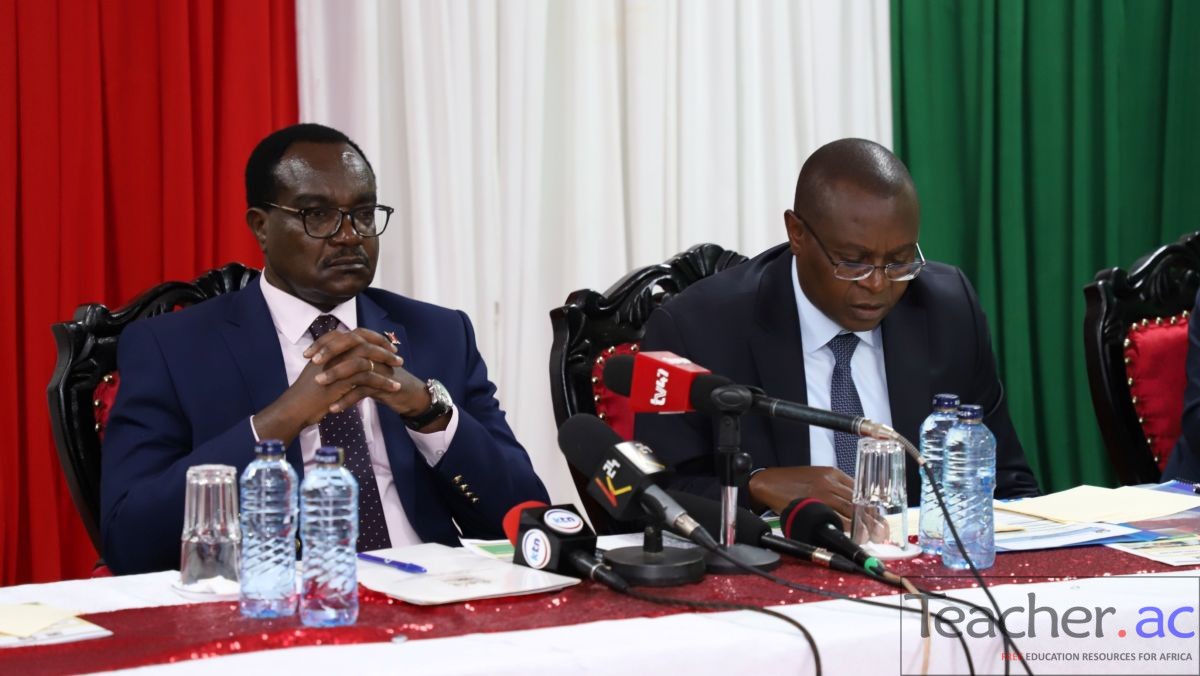
The administration of national examinations in Kenya is an immense logistical feat that heavily relies on the dedication of teachers. However, the compensation for these contracted professionals has morphed into a perennial source of frustration. In 2026, the Kenya National Examinations Council (KNEC) finds itself under intense scrutiny over unpaid dues, portal tracking glitches, and mounting threats of legal action.
Understanding the 2026 KNEC Remuneration Structure
To fully grasp the financial dynamics, it is important to look at the exact cost implications and budget allocations for examiners. The national budget has been strained, yet contracted professionals still expect their rightful wages based on the gazetted rates.
Dissecting the Payment Rates per Subject
How much a teacher earns for marking scripts depends heavily on the complexity of the specific paper. English Paper III remains the most lucrative, commanding a premium rate of Sh 77 per script. In contrast, science subjects like Biology and Chemistry Papers 1, 2, and 3 fetch roughly Sh 52 per script, while Physics examiners pocket Sh 60 per script.
Beyond the script-by-script pay, examiners are entitled to a daily coordination fee of Sh 150 and a basic flat fee of Sh 1,100. It is crucial to remember that the taxman always takes a cut during these payouts. Any total payment exceeding Sh 24,000 is subjected to a 5% withholding tax under current PAYE regulations.
Field officers have also seen adjustments to their transport reimbursements following persistent lobbying by unions. Invigilators and centre managers receive up to Sh 550 daily, while supervisors take home about Sh 680 per day. For a more comprehensive breakdown of historical and current allowances, platforms like teacher.co.ke offer valuable resources.
Tracking Your Examination Dues Online
Securing your payment requires strict compliance with the council’s digital infrastructure. A minor error can easily result in months of frustrating delays.
Mastering the KNEC CP2 Portal
Surprisingly, many payment delays trace back to simple technical glitches within the KNEC Contracted Professionals (CP2) portal. The council frequently cites mismatched data as the primary culprit holding up the disbursement of funds. If the name registered on your CP2 profile does not perfectly align with your M-Pesa registration details, the automated payment automatically fails.
Another common hurdle involves administrative oversights right at the examination centres. Unsigned or unstamped attendance registers sent to the council make it nearly impossible to verify a teacher’s participation. To avoid these pitfalls, educators must proactively log into the portal and ensure their identification and mobile money details are entirely accurate.
If your payment status remains stagnant, the best immediate remedy is to contact your Sub-County Director of Education (SCDE). Providing your exam centre code, role, and the specific year you worked allows the SCDE to expedite data verification. You can find supplementary guides on navigating the CP2 dashboard via education.co.ke.
Legal Recourse and the Fight for Delayed Dues
The overall financial health of KNEC has sparked widespread alarm across the local education sector. The Auditor General recently flagged the council as technically insolvent, revealing liabilities that exceed assets by Sh 2 billion. This staggering cash crunch has left approximately Sh 2.7 billion owed to thousands of teachers, supervisors, and centre managers.
Faced with relentless delays, education unions are no longer just issuing empty ultimatums in press conferences. The Kenya Union of Post-Primary Education Teachers (KUPPET) and the Kenya National Union of Teachers (KNUT) have actively explored legal mechanisms to force the government’s hand. Trade union leaders have petitioned parliament, demanding that the National Treasury release funds immediately or face nationwide industrial action.
Individual teachers are also looking into collective legal suits under Kenya’s employment and labor relations laws. Their core argument is simple enough: examination administration is a contracted service, and failure to honor the financial terms constitutes a blatant breach of contract. For ongoing legal updates and union advisories, educators often consult forums like teacher.ac.
Securing the Future of National Examinations
Safeguarding the integrity of the national evaluation process requires a highly motivated and well-compensated workforce. The recurring cycle of delayed payments not only dampens teacher morale but also threatens the overall credibility of the examination system. Moving forward, a structural overhaul of KNEC’s funding model is essential to ensure that the sweat of contracted professionals is compensated promptly.
Comments are closed.